
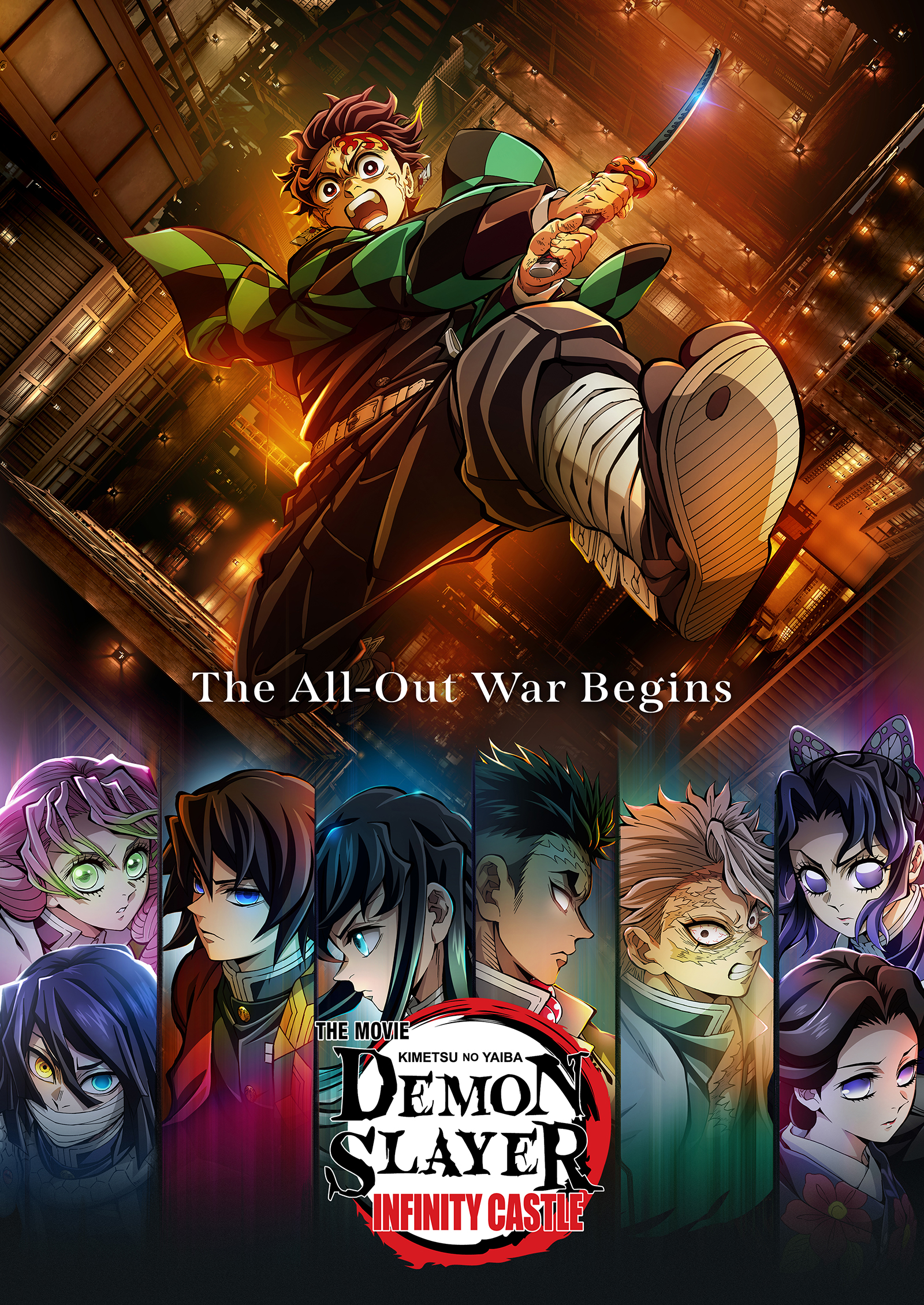


For Day 3, I would like to introduce a title that many of you may already know: Demon Slayer: Kimetsu no Yaiba. This hit anime series, produced by Ufotable, is based on the manga by Gotōge Koyoharu.
Interestingly, Gotōge-sensei is a woman, though she chose a pen name that conceals her gender to avoid bias and allow readers to focus solely on the story. She often portrays herself as a crocodile wearing glasses, earning the affectionate nickname “Wani-sensei.” Reflecting on how women could face disadvantages in the male-dominated manga industry is, in itself, a sobering thought.
Story Overview
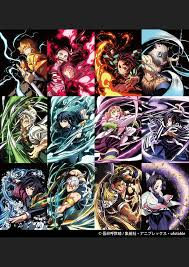


Set in Taisho-era Japan, the story follows a young boy, Tanjiro Kamado, who supports his widowed mother and siblings by selling charcoal. Tragedy strikes when his family is slaughtered by demons, leaving only his sister, Nezuko, alive—though she is transformed into a demon herself. Despite this, Nezuko retains her human heart. Moved by this miracle, the Water Hashira, Giyu Tomioka, guides Tanjiro toward the path of becoming a Demon Slayer, setting him on a journey to avenge his family and seek a cure for his sister.
Under the mentorship of Sakonji Urokodaki, Tanjiro undergoes rigorous training and passes the Final Selection, officially joining the Demon Slayer Corps. Alongside Nezuko and new allies, he confronts demons while searching for a way to restore his sister’s humanity. Ultimately, his journey leads him toward a fateful confrontation with the demon king, Muzan Kibutsuji.
As the story unfolds, audiences discover that demons were once humans burdened by tragedy. This depth—moving beyond a simple “good vs. evil” dichotomy—has resonated deeply with fans worldwide.
The Latest Film: Infinity Castle



The Demon Slayer manga has already concluded, but the anime continues to expand through television arcs and theatrical releases. Following Mugen Train, the story now reaches its climactic Infinity Castle Trilogy.
- The first film, Infinity Castle: Chapter One – Akaza Returns, premiered in Japan in July 2025 and is set to release in the U.S. on September 12, 2025.
- This chapter showcases Tanjiro, the Hashira, and the Demon Slayer Corps as they face off against Muzan and the Upper Moons in the sprawling Infinity Castle.
I had the chance to watch the film in Japan. As expected, it was profoundly moving—visually surpassing even Mugen Train. It is a film best experienced on the big screen rather than streaming, offering an overwhelming blend of action, emotion, and artistry.
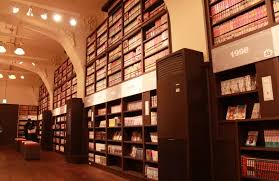
Immersive Exhibition: Kimetsu no Yaiba: Total Concentration
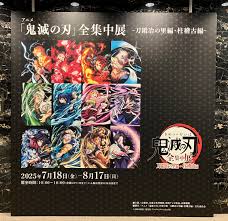
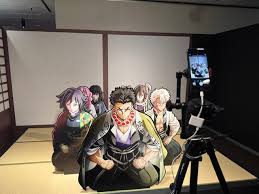
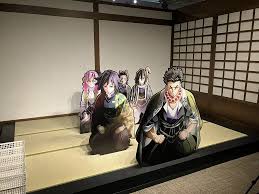
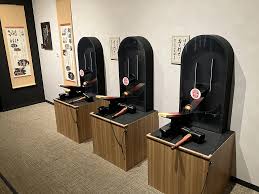


I also attended the special exhibition at the Museum of Kyoto, which highlighted the Swordsmith Village Arc (Season 3) and the Hashira Training Arc (Season 4), along with teasers from the upcoming Infinity Castle.
The exhibition allowed fans to step directly into iconic scenes and moments:
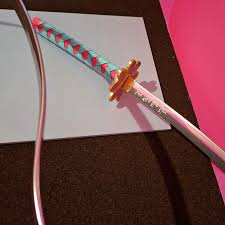
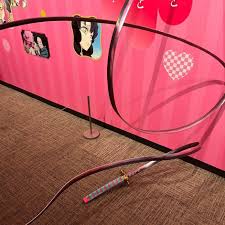
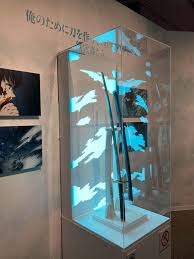
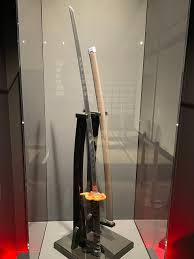
- A reproduction of the Nichirin swords, including Mitsuri Kanroji’s unique ribbon-like blade.
- An interactive display where a camera flash revealed the grotesque form of Gyokko.
- A hammer-based swordsmithing experience.
- A scavenger hunt to find hidden Hantengu, with origami prizes.
Among my favorites was Kanroji’s sword—the sheer elegance and playful energy of the design nearly made me mimic her movements on the spot!
Exhibition Highlights
- Upper Moons Assemble: Muzan and his elite demons emerge from mirrors.
- Swordsmith Village: The sound of blades being forged fills the hall.
- Mist Hashira, Muichiro Tokito: A transition display from memory loss to recovery.
- Love Hashira, Mitsuri Kanroji: A room split to showcase her warmth and strength; an arm-wrestling game with her younger self.
- Genya Shinazugawa: Recollections and displays of his Nichirin blade and firearm.
- Gyokko & Hantengu: Transformations and flash-activated surprises.
- Nezuko Kamado: “Nezuko’s Song” presented with visuals and lyrics.
- Key Visual Gallery: Stunning illustrations by Ufotable.
- Hashira Council: Photo spots where visitors step into the key visual, alongside Tanjiro’s new Nichirin sword with Rengoku’s tsuba.
- Water Hashira, Giyu Tomioka: Scenes recalling Sabito and his past.
- Hashira Training: Interactive displays, including pushing the giant rock from Himejima’s training.
- Main Theater: Immersive large-screen viewing of the Breathing Techniques.
- Kimetsu Academy: A playful nod featuring Mitsuri Kanroji’s “Big Hand Cat.”
- Ufotable Shikishi: A massive collection of staff-drawn illustrations.
Kimono Patterns in Demon Slayer
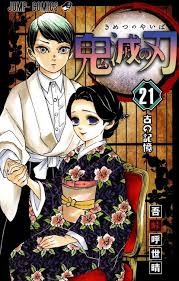
One of the exhibition’s most captivating aspects was its emphasis on the traditional kimono patterns worn by the characters. These designs are not merely decorative but steeped in centuries of symbolism, representing virtues such as protection, growth, and resilience.
- TanjiroKamado – Ichimatsu: Black and green checkerboard, symbolizing prosperity and continuity.
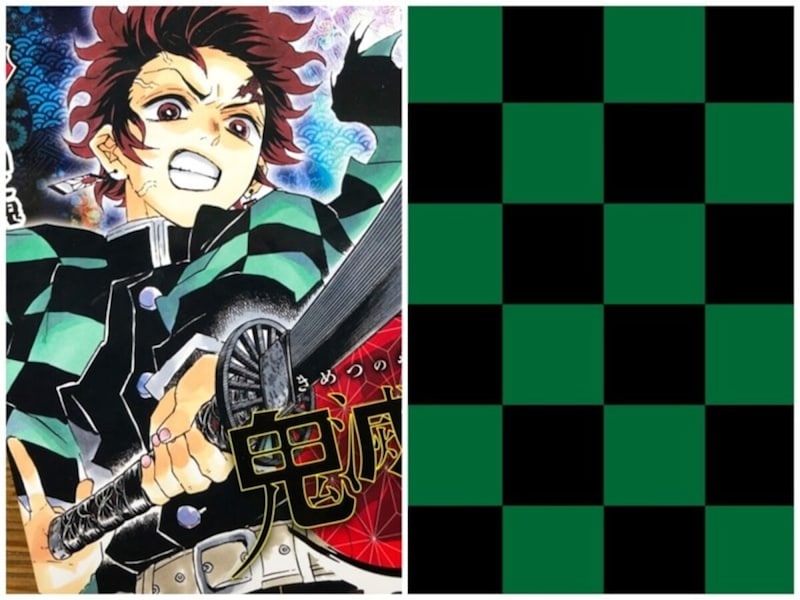
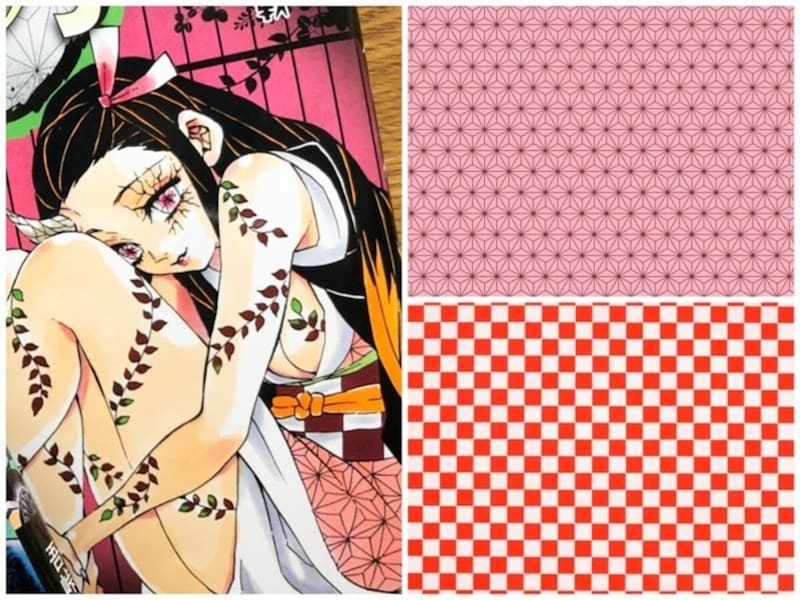
- Nezuko Kamado – Asanoha & Ichimatsu (obi): Hemp leaves for growth and protection; resilience amid transformation.

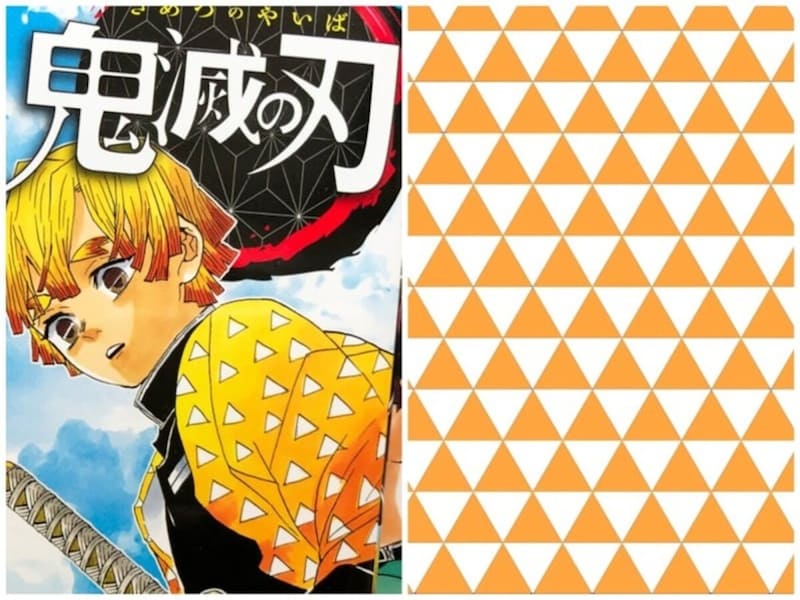
- Zenitsu Agatsuma – Uroko (Scales): Triangular scales as talismans against evil; linked to rebirth and growth.

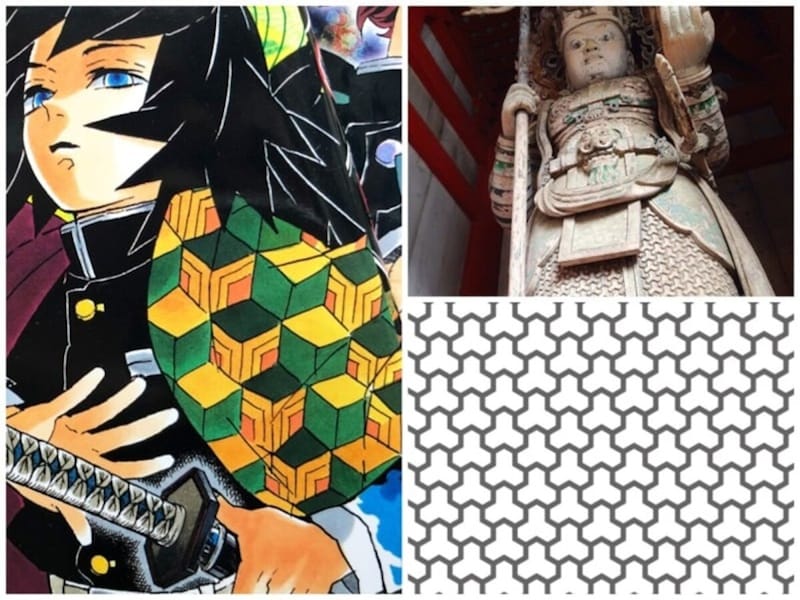
- Giyu Tomioka – Bishamon Kikkō & Katamigawari: Hexagonal armor pattern and split design, symbolizing endurance and duality; woven from memories of his sister Tsutako and his late friend Sabito.

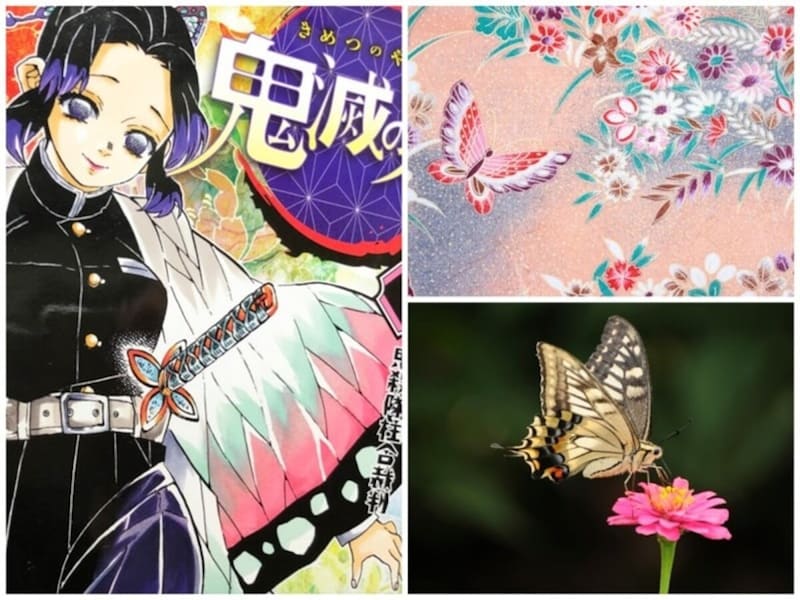
- Shinobu Kocho – Butterfly Motif: A representation of metamorphosis, rebirth, and transformation through tragedy.

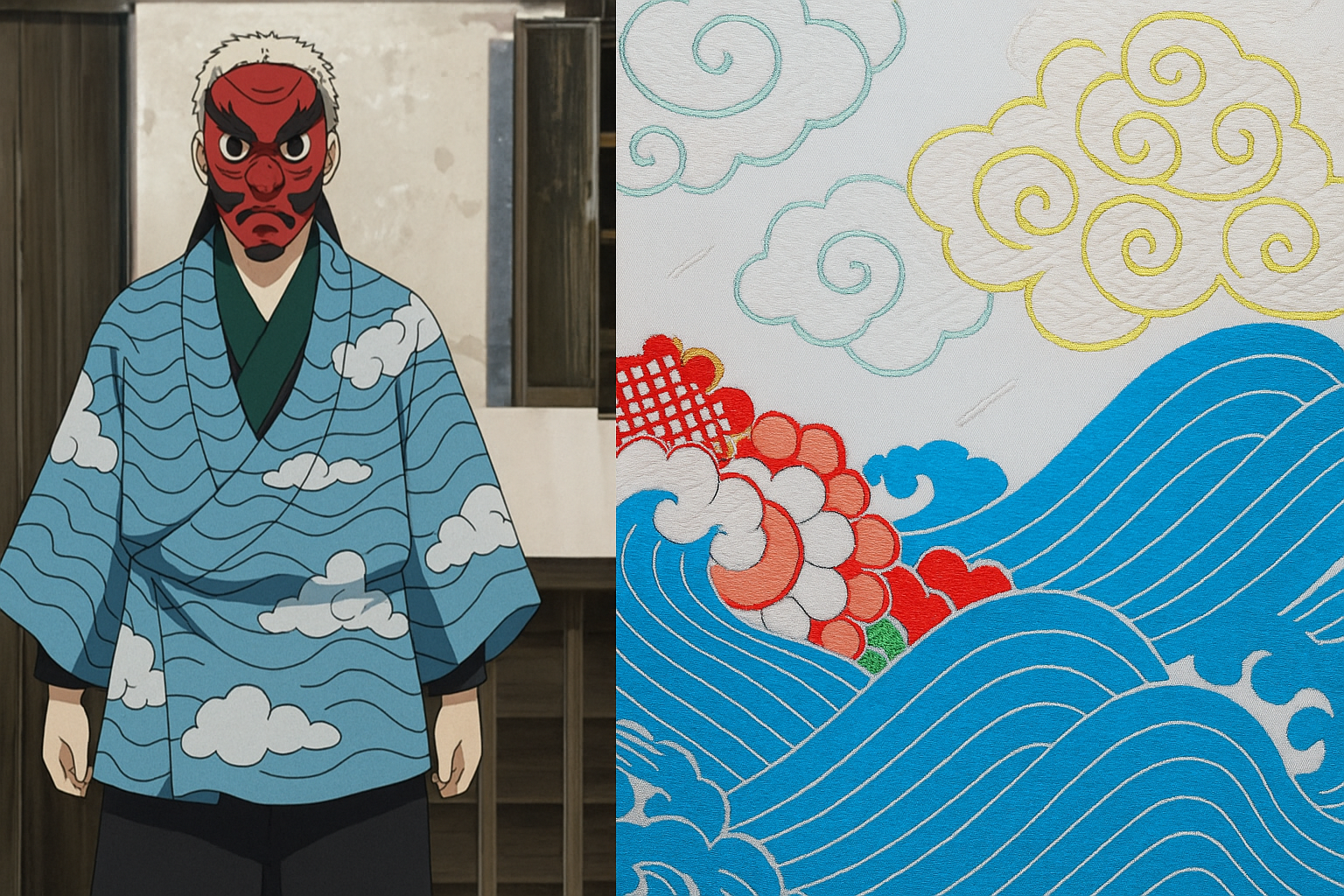
- Sakonji Urokodaki – Zuiun & Waves: Auspicious clouds and waves, expressing a wish for peace in a demon-free future.

- Kagaya Ubuyashiki – Higaki & Sayagata: Cypress lattice for dignity and continuity; interlocked swastikas for longevity and prosperity, mirroring his family’s tragic legacy and unyielding resolve.

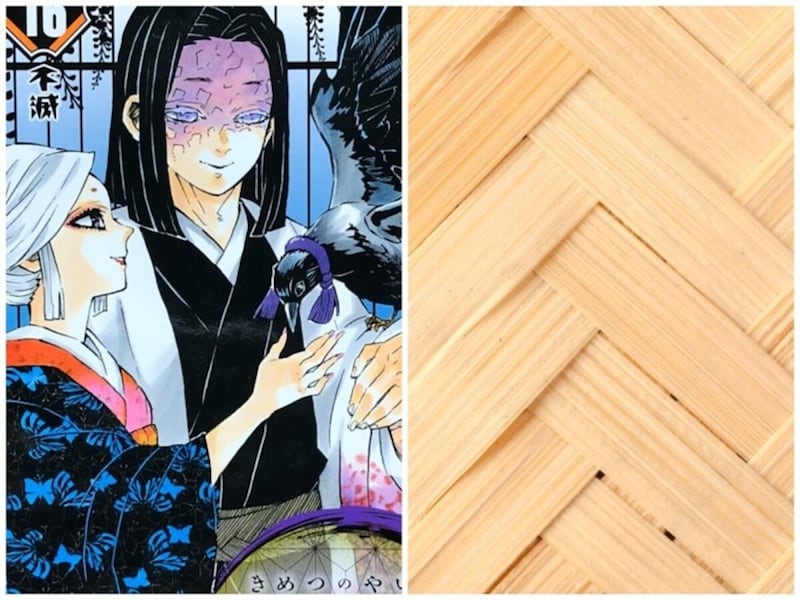
These patterns act as visual storytelling devices, enriching the narrative by linking each character’s attire with their inner struggles and destinies.
Closing Thoughts


The allure of Demon Slayer lies not only in its characters and story but also in the intricate use of Japanese cultural motifs. Traditional kimono patterns embody centuries of aesthetics and prayers, adding layers of meaning to the anime.
Next time you watch the series—or shop for kimono in Japan—pay attention to these designs. They offer a window into the values and symbolism that continue to shape Japanese culture.
Chiren
President, Japanese Institute of St. Louis
http://jiostl.org/
https://www.instagram.com/jiostl
@JIOSTL
https://www.facebook.com/JIOSTL
#japaneseinstituteofstl #japaneseinstituteofstlouis #JIOSTL #jiostl #japaneseinstitute #kimonoclubstl #kimonoclub #STL #japaneseSTL #japanesestl #monk #shingon #meditation #doula #matchastl #matcha #teaceremony #workshop #hospice #japaneseworkshop #buddhism #buddhismstl #kidsworkshop #DemonSlayer #KimetsuNoYaiba #Tanjiro #Nezuko #Zenitsu #KimonoPatterns #TraditionalCulture #Wagara #AnimeAndTradition
(References)
http://jiostl.org/
https://www.instagram.com/jiostl
@JIOSTL
https://www.facebook.com/JIOSTL
#japaneseinstituteofstl #japaneseinstituteofstlouis #JIOSTL #jiostl #japaneseinstitute #kimonoclubstl #kimonoclub #STL #japaneseSTL #japanesestl #monk #shingon #meditation #doula #matchastl #matcha #teaceremony #workshop #hospice #japaneseworkshop #buddhism #buddhismstl #kidsworkshop #鬼滅の刃 #Demonslayer #炭治郎 #禰豆子 #善逸 #市松模様 #麻の葉模様 #鱗文 #日本文化 #伝統文様 #アニメと伝統 #着物文様
(参考サイト)
https://kimetsu.com/zenshuchuten
https://kyotopi.jp/articles/ScTeM
https://kimetsu.com/hashiraten/
https://naomaria.com/sea-wave/
https://gwvmm.cpustats.ru.com/index.php?main_page=product_info&products_id=954
https://kimetsu.com/anime/mugenjyohen_movie/
Wikipedia(英語版)Demon Slayer: Kimetsu no Yaiba
Wikipedia(英語版)Demon Slayer: Kimetsu no Yaiba (season 1)
TechRadar – How to watch Demon Slayer in order
The New Yorker – Demon Slayer, the Viral Blockbuster from Japan
鬼滅の刃の着物文様解説
All About(和文化研究家による解説)
https://allabout.co.jp/gm/gc/486132/
Kimetsu Café(英語での文様解説)
https://kimetsu-cafe.com/patterns-of-clothes/
MATCHA – The Patterns of Kimono: Hidden Meanings
https://matcha-jp.com/en/10311
Tokyo Weekender – Wagara: Japanese Patterns and What They Mean