
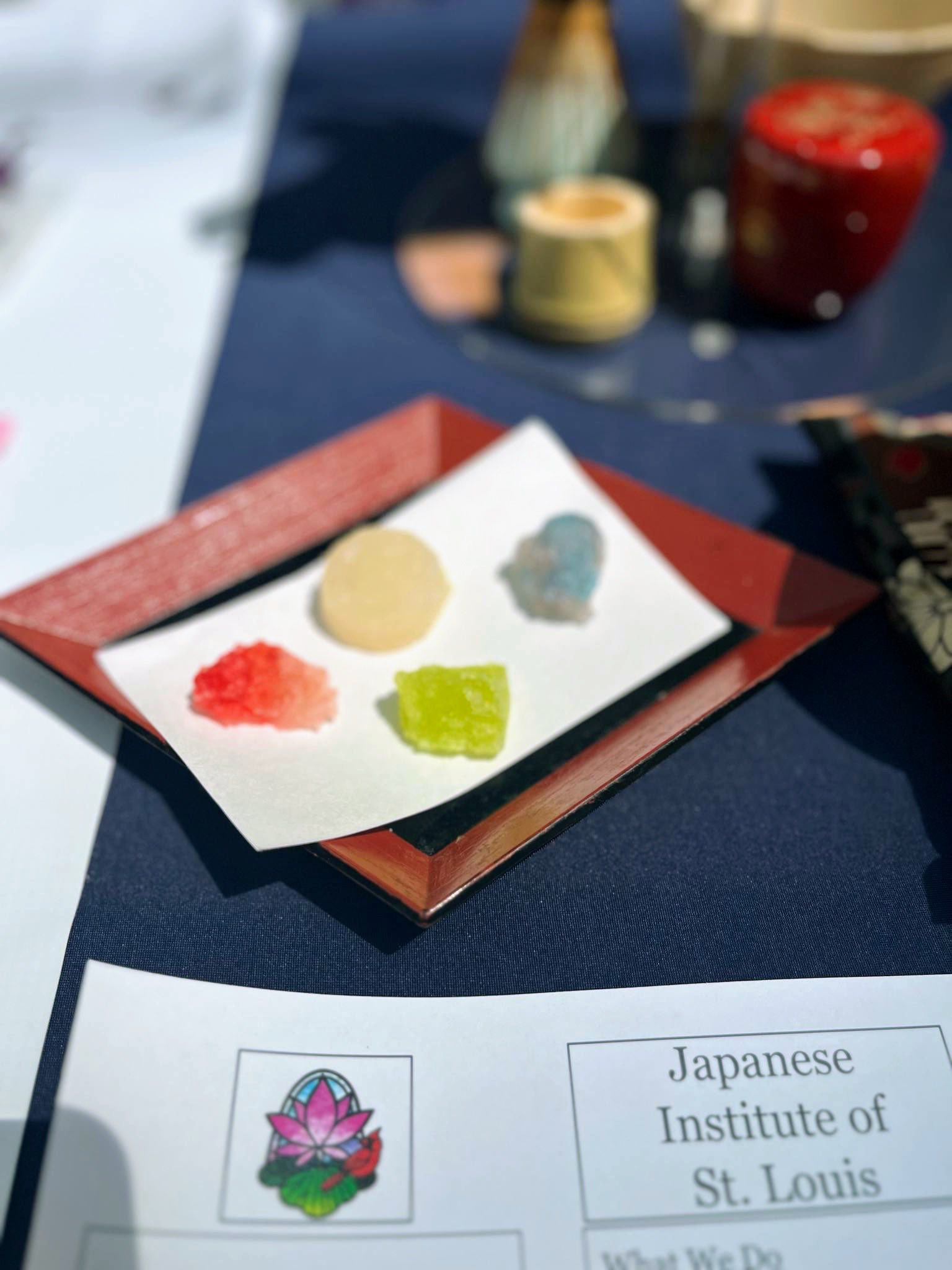
This weekend I’ll be vending at the Earth Day Festival in Forest Park (Muny).
Per Earthday 365 committee agreements, our ingredients are fruit concentrate based, organic, vegan, and gluten‑free. 
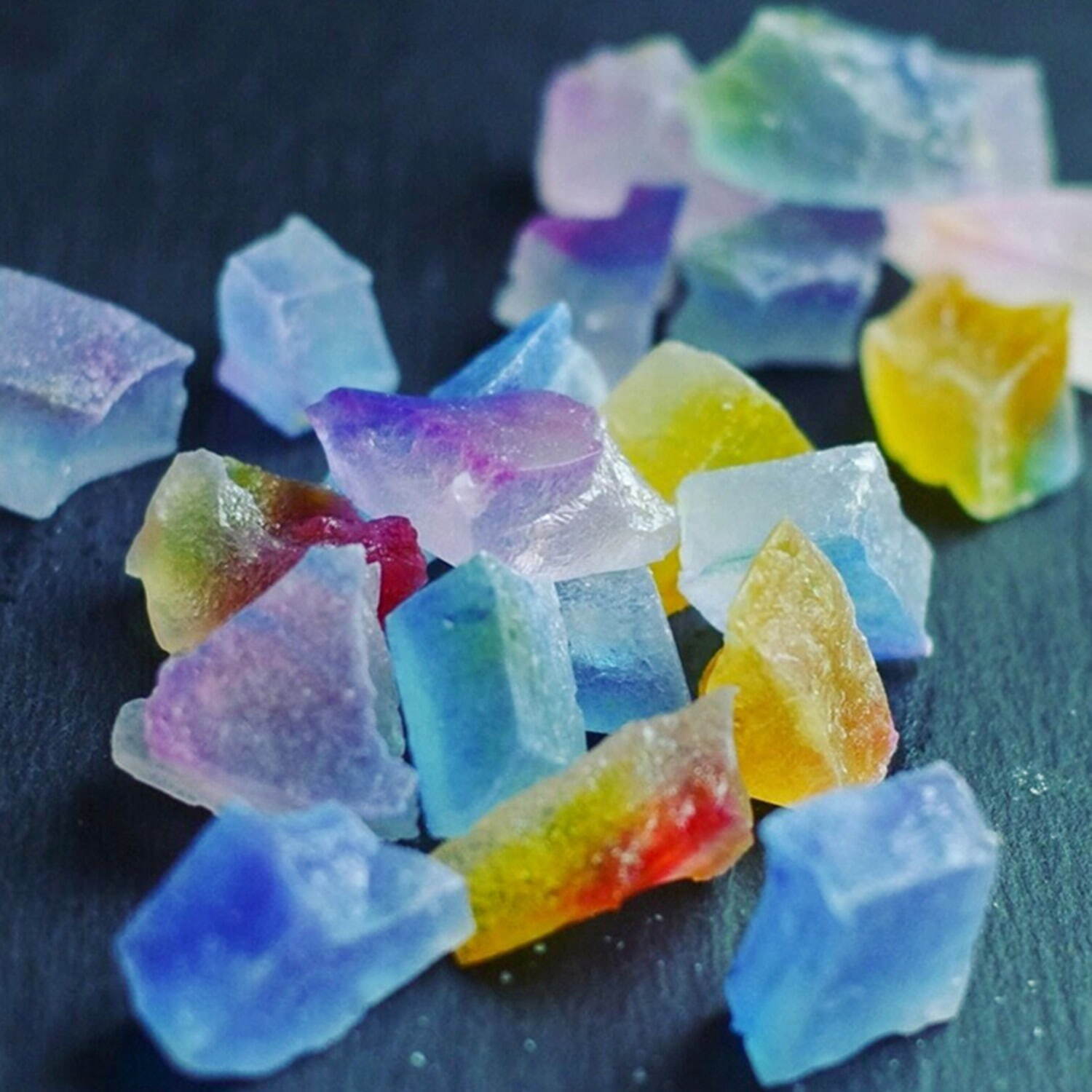
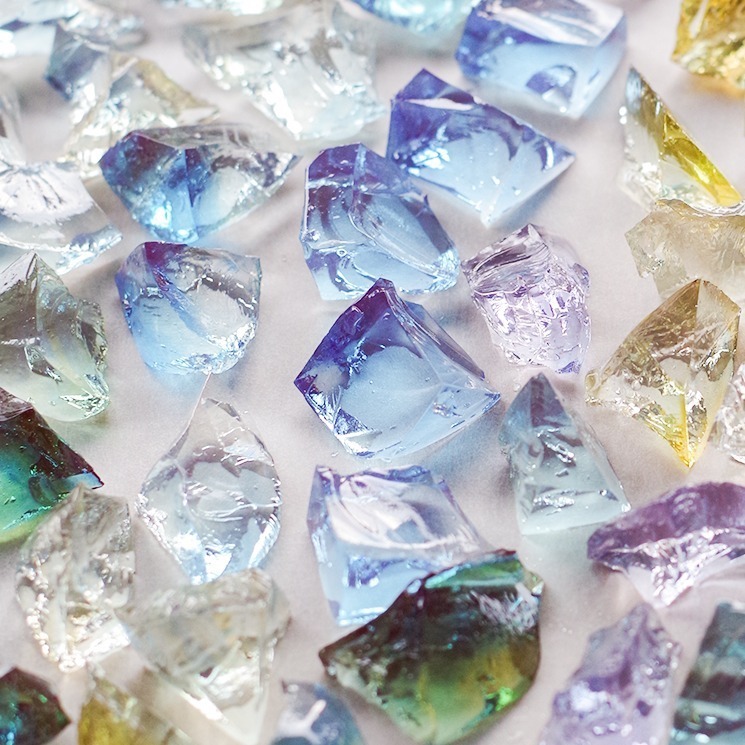
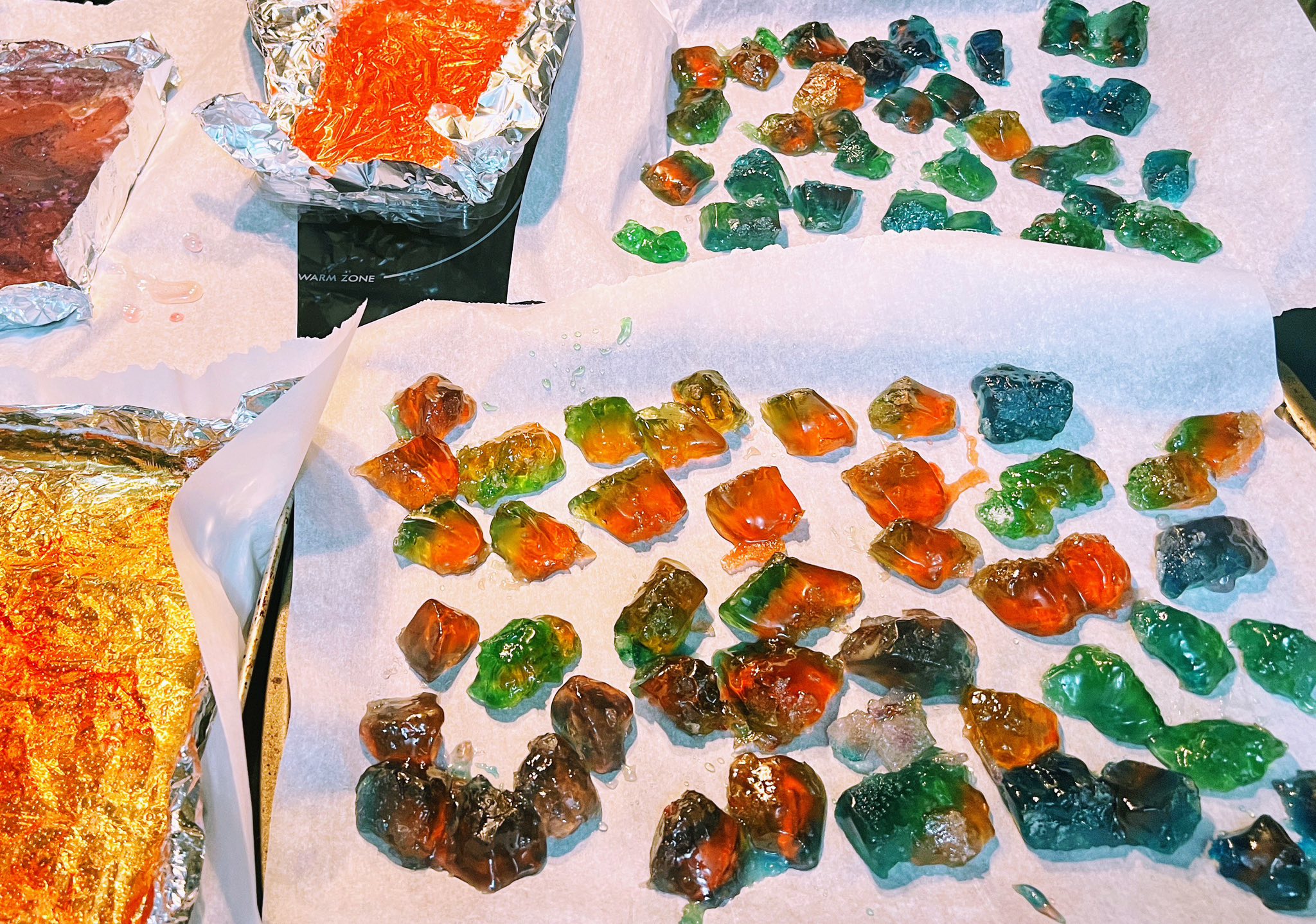
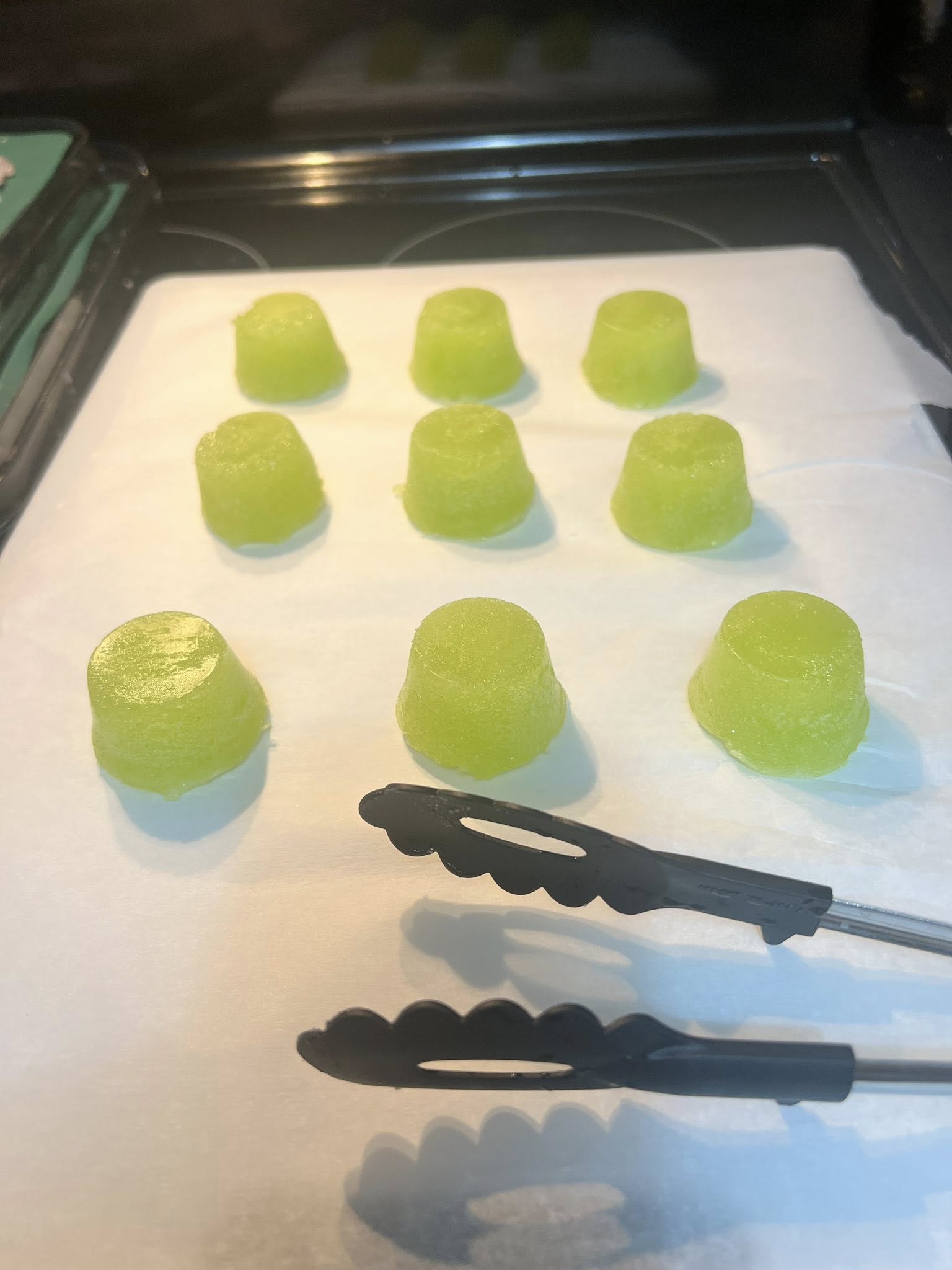
We’ll be offering a Japanese confection you rarely see in U.S. shops—kōhaku‑tō, the jewel‑like “amber sugar candy.”
Made from only agar and sugar, its simplicity is part of its charm.
The exterior is satisfyingly crisp, while the interior has a firm, jelly‑like texture you won’t forget once you taste it 😋
On event day, you can enjoy it at our booth with either usucha (thin matcha tea) or mugicha (barley tea).
If you purchase to take home, here are the storage tips we’ll provide:
Do not refrigerate: condensation can cause mold, so please avoid the fridge.
Room temperature: 2–3 weeks
Freezer: about 1 month in an airtight container (delicious eaten frozen!)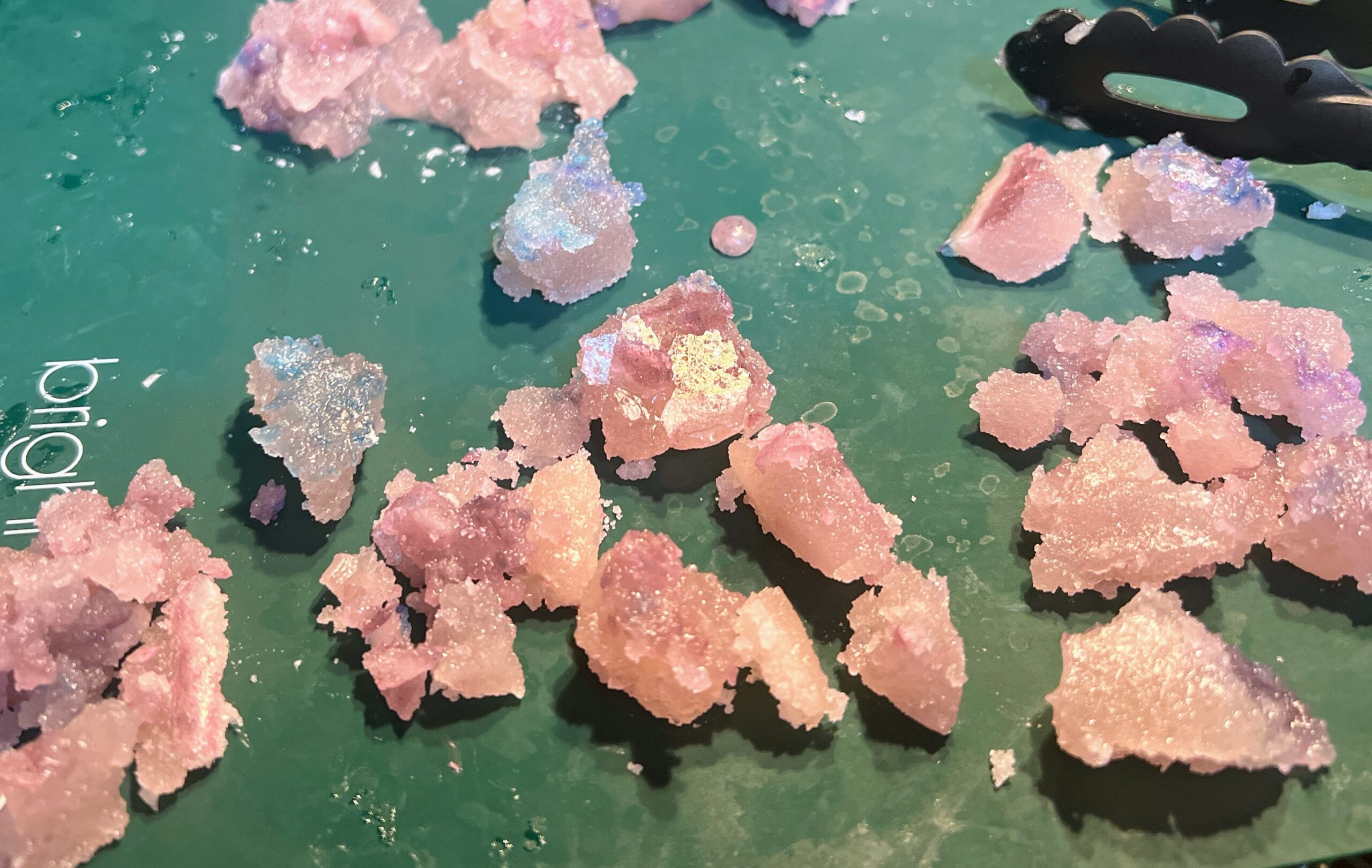
Please stop by and give it a try!
Photo caption: A batch of strawberry‑flavored kōhaku‑tō beginning to dry, its shine fading into crystalline, gemstone‑like shards.
The Origins of Kōhaku‑tō
Kōhaku‑tō traces back roughly 300 years to Edo‑period Fushimi in Kyoto.
Tarozaemon Minoya, who ran an inn there, noticed that tokoroten discarded by the visiting lord Shimazu Ōsuminokami had frozen, then thawed and dried into solid shards.
When he dissolved them, they proved more colorful and free of any seaweed odor compared to ordinary tokoroten. He presented the discovery to Zen Master Ingen Ryūki at Manpuku‑ji Temple, who named it “kansarashi tokoroten.” Over time that term was abbreviated to “kanten,” the modern Japanese word for agar
Manpuku-ji
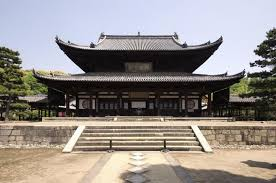

Manpuku‑ji sits near other campus of my university and the famous Tamaki‑tei bakery, so I visited often both as a student and later as a working adult.
Its unique layout, Ming‑dynasty Chinese‑style architecture, ritual procedures, and vegetarian cuisine make it unparalleled among Japanese temples. Twenty‑three main buildings and its covered corridors are designated Important Cultural Properties by the Japanese government.

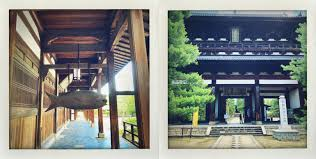
Photo caption: The kaipan—a massive, two‑meter‑long fish board placed before the ordination hall. It’s considered the prototype of today’s wooden fish (mokugyo).
Because fish never close their eyes, striking the board symbolizes tireless practice and reminds monks to “train day and night without rest, like the ever‑wakeful fish.”
This temple also features panels from the anime “Sound! Euphonium”, which includes scenes set at Obaku-Manpuku‑ji and Obaku station.
Kyoto as an Anime Pilgrimage Destination
Kyoto is famous as the real‑world setting for many beloved anime, drawing fans on pilgrimage tours to locations such as:
Sound! Euphonium: Uji Bridge, Keihan Uji Station, Yamashiro Sports Park, Daikichiyama Observatory
K‑On!: Matsugasaki Bridge, Imamiya Shrine, and other school sites
Tamako Market: Demachi‑Masugata Shopping Street, Shimogamo Shrine
Rurouni Kenshin: Togetsu Bridge, Arashiyama
Others: Kamigamo Shrine, Kiyomizu‑dera, Nanzen‑ji, Kitano Tenmangū, etc.
At the Kyoto International Manga Museum you can even pick up an official pilgrimage map.
Which anime pilgrimage spots are on your must‑visit list?
References:
Photo credit: Chiren
https://ja.m.wikipedia.org/wiki/寒天
https://arashiyama-sendou.com/manpukuji/#google_vignette
https://www.obakusan.or.jp/information/1239
https://www.obakusan.or.jp/information/957
https://log.deep-exp.com/ja/media/149