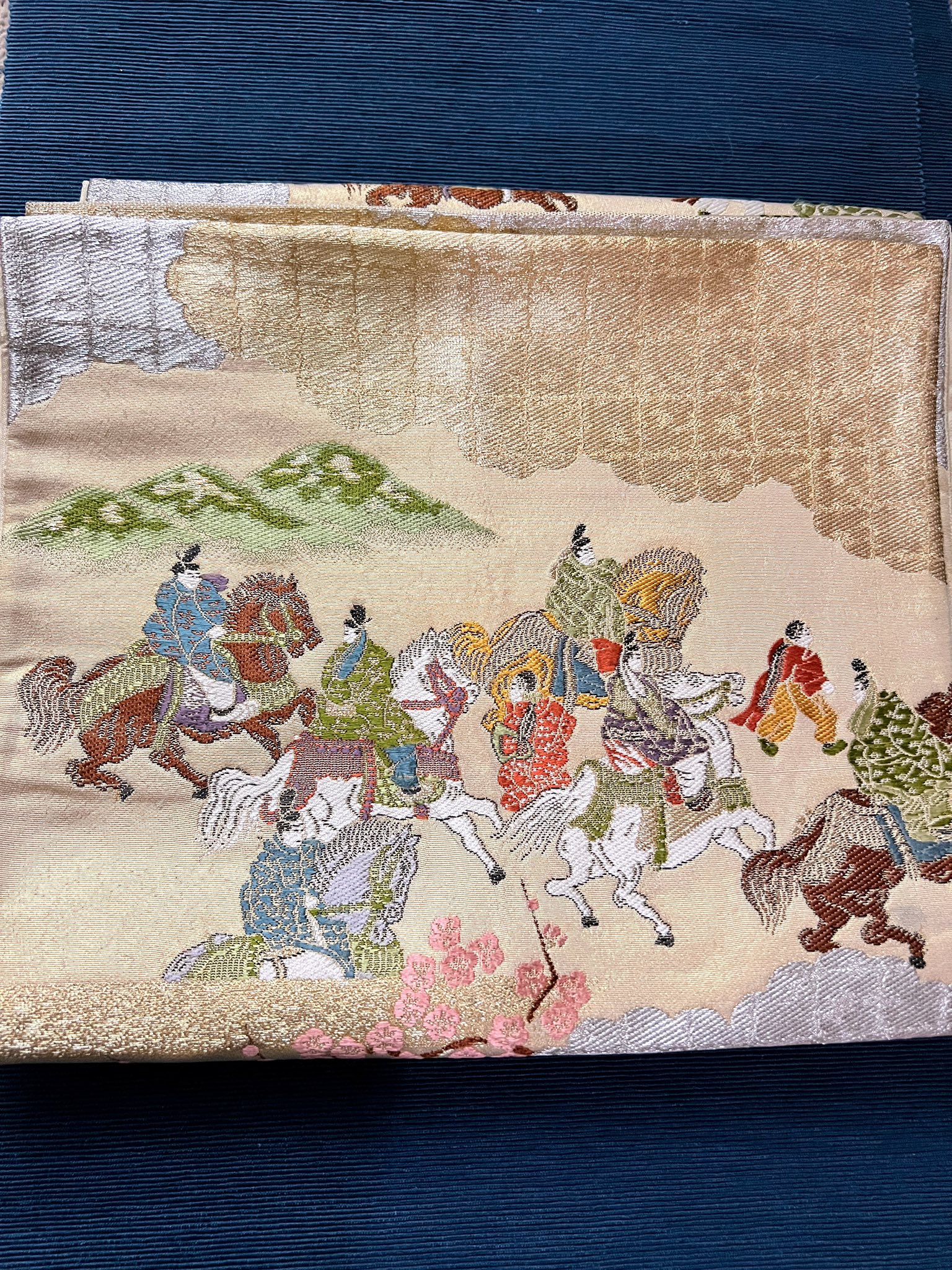
What comes to mind when you hear the word sakura (cherry blossoms)?
For many Japanese people, the season of sakura is one of both meetings and farewells. Some may have even heard the chilling phrase, "There’s a corpse buried beneath the cherry tree." This comes from a short story titled "Under the Cherry Trees" by Motojirō Kajii, a writer at the era of the Taishō to Shōwa periods.
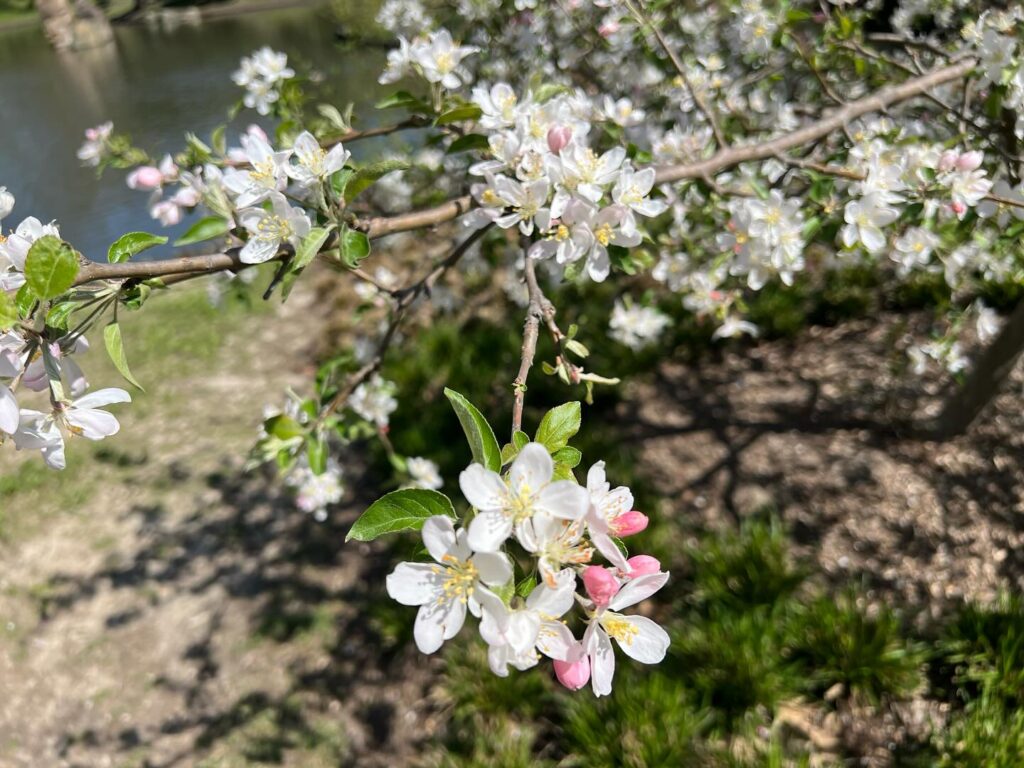
My mother’s family is from Shikoku islands, and my father’s is from Kyoto. When I was a child, my both grandmothers told me many curious superstitions.
In Shikoku islands, it’s said that planting a cherry tree in your yard will lead to the family’s downfall, so it’s best not to plant one. And in Kyoto, girls should not be given names of flowers.
The reasons? Because it could lead to a short life like a flower, or because such names were considered associated with lower social status—perhaps a reference to courtesans or servants/slaves. I was too young to understand or even ask the full background, but those stories left a strong impression on me.
One of my grandmothers from Shikoku had a favorite saying related to sakura:
"Among flowers, there is the cherry blossom; among men, there is the samurai." — Saigyō Hōshi
Saigyō was born into a samurai family but became a monk at a young age and composed many waka poems, often about cherry blossoms.

My grandmother was the daughter of a castle lord in Shikoku. During World War II, the Japanese army was stationed at their castle, and after the war, she lost everything.
She entered into a political marriage and, despite her graceful appearance, endured many hardships. I think she saw in that saying not just aesthetic beauty, but a reflection of her own life—ephemeral yet dignified like the cherry blossom, and noble in spirit like the samurai. It was her personal ideal of how to live with strength and grace.
As a child, I used to find it a bit tedious when my grandmother would recite old stories or make me memorize poems during our daily routines—whether on the way to school or while taking a bath. But now that I’m approaching the age she was back then, I feel like I’m finally beginning to understand her nostalgia. Those memories are now softly settling in my heart, like petals falling quietly to the ground.

So today, I’d like to share two surprising stories about Saigyo.
The first is his famous death poem:
"If I could have my wish,
I would die beneath the blossoms in spring—
On the night of the full moon."
This is a poetic expression of his serene acceptance of death, filled with the wish to pass away beneath the cherry blossoms during the full moon of Kisaragi (the second month in the old lunar calendar). That particular date, the 15th of the second lunar month, marks Nehan-e, the day Buddha is said to have entered Nirvana.
Remarkably, Saigyō passed away “the very next day”—on the 16th of the second lunar month—at Hirokawa Temple in Kawachi.
Because of this, he is sometimes called a poet favored by Buddha.
However, modern scholars have suggested he may have chosen to end his own life!!
In those days, it wasn’t unheard of for monks to practice extreme forms of asceticism, including fasting and dehydration, as a way of becoming a living Buddha. Some believe Saigyō timed his death to coincide with Buddha’s.
The second story is even more unusual. It comes from a 13th-century Buddhist tale collection called the Senjūshō, in a story titled "Saigyō Creates a Person Deep in the Mountains of Kōya." It’s a tale that echoes Frankenstein, Da Vinci, Onmyōji (yin-yang sorcerers), and even modern anime like Fullmetal Alchemist or Jujutsu Kaisen. Despite living in the 12th century (1118–1190), Saigyō’s imagination and creation speak to timeless aspects of the human spirit.
According to the tale, Saigyō, while training in isolation on Mt. Kōya, attempted to build a “human” to stave off loneliness. He gathered bones from the dead and assembled them into a body, cleansing them with medicinal herbs. He then used a secret technique known as the Art of Soul Recalling to try to breathe life into “it”.

But the result was a failure. The artificial human had a sickly color, no heart, no words—only emitting flute-like sounds. Saigyō reflected deeply, saying, “If I dispose of this being, it might be considered murder. But without a heart, it’s more like a plant or tree… yet it looks like a person.” Unable to reconcile this dilemma, he abandoned the creature in a remote part of the mountain.

Later, he sought out the person who had taught him how to create “human” and its technique and learned that he had made a critical error.
Even after receiving the correct method, Saigyō never attempted to create a human again.
Perhaps this choice reflects his reverence for life, awareness of religious taboos, and quiet repentance.
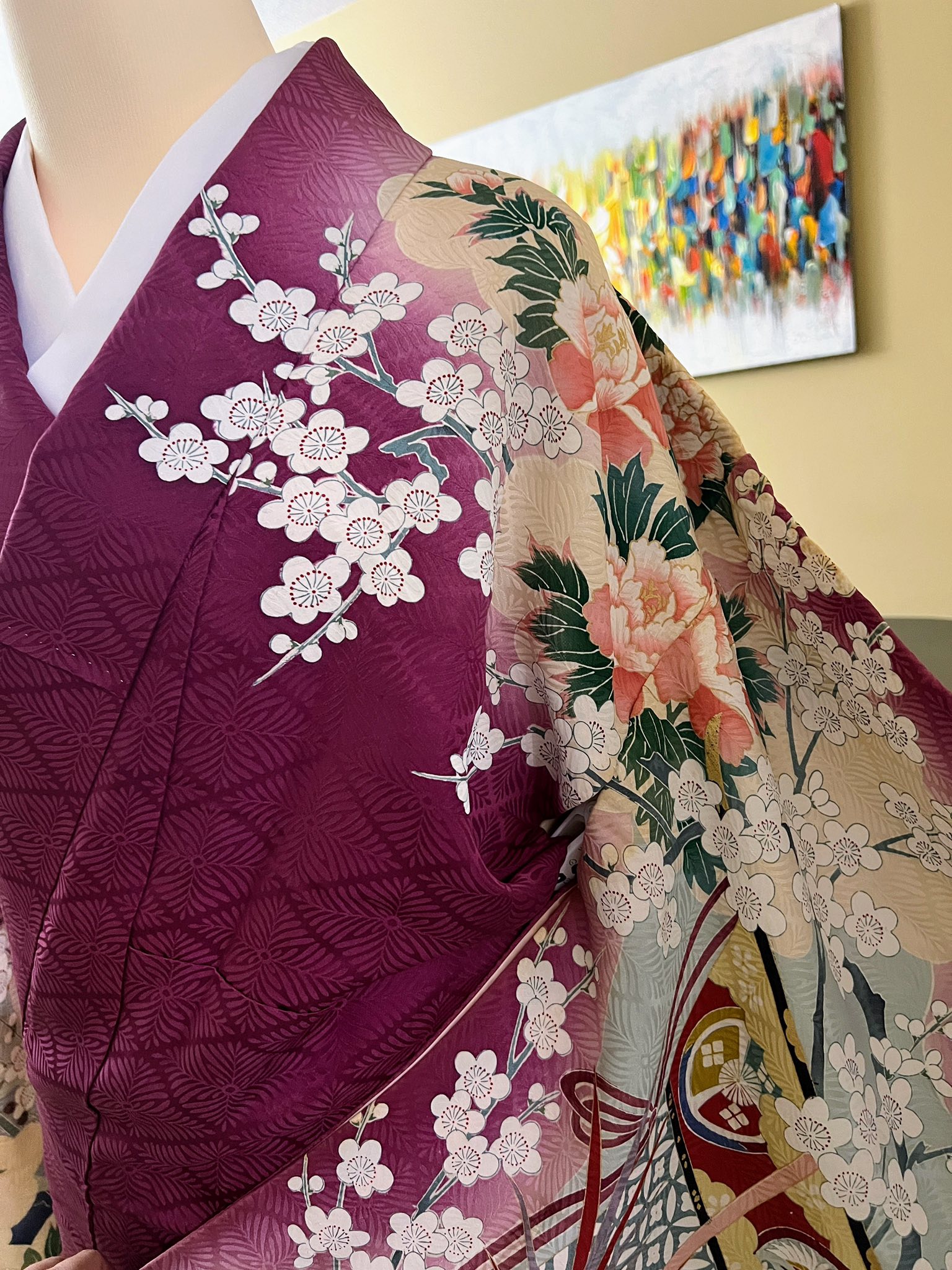
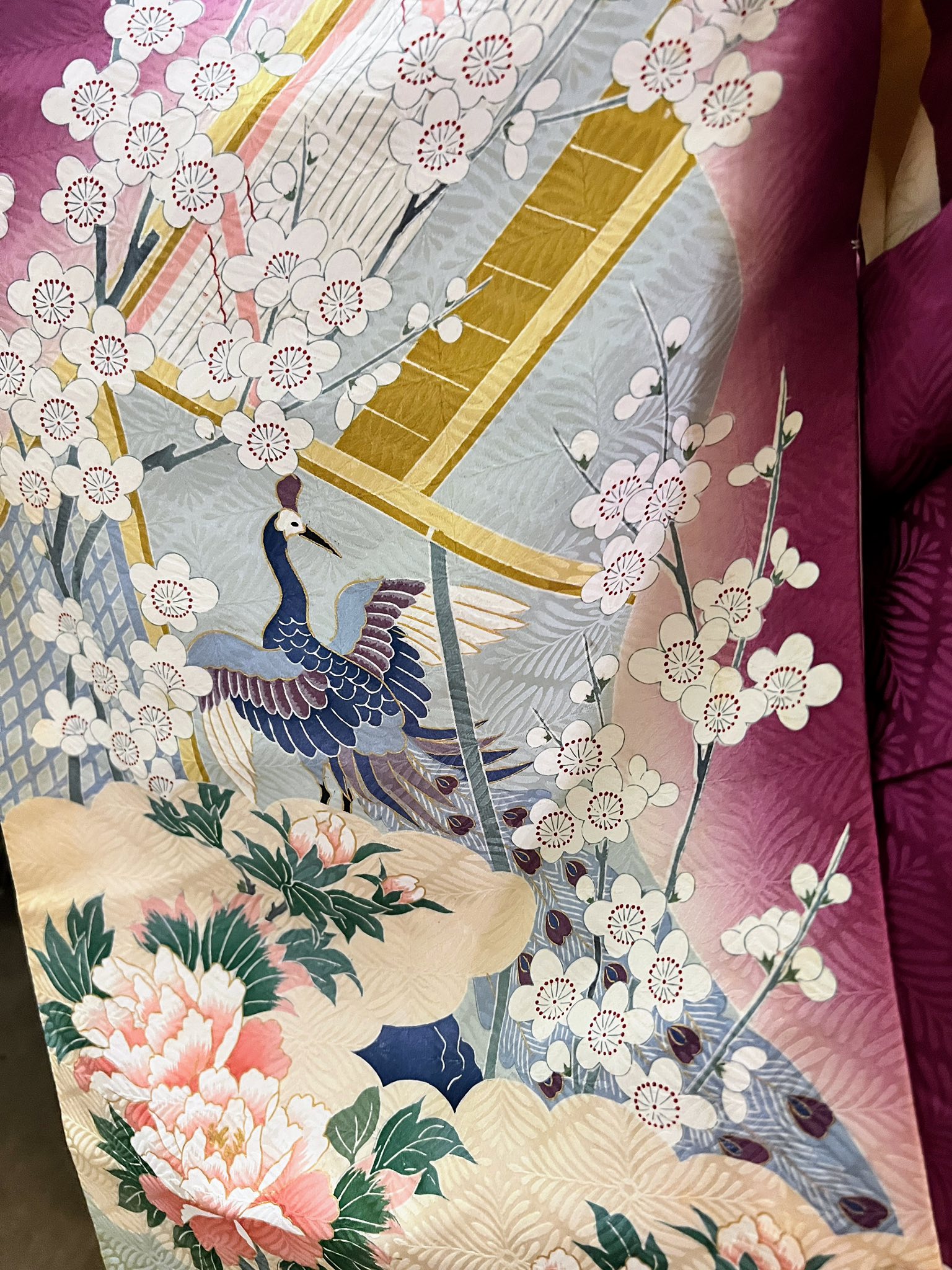
Interestingly, the story describes the human-making process step-by-step, using ingredients such as incense, strawberries, chickweed, hibiscus, and wisteria—plants still seen today in kimono patterns. Fascinating, isn’t it?
There are also many folktales where demons create humans, a striking contrast to Western stories where gods create mankind. It hints at Japan’s uniquely mystical perspective on life and death.
So….., do you find beauty in the cherry blossoms as they fall?
Or are you drawn to the blossoms at the height of their bloom?
If you were Saigyō, which would you choose?
Last weekend, JIOSTL hosted our April Kimono Club Meet-Up at the St. Louis Botanical Garden.
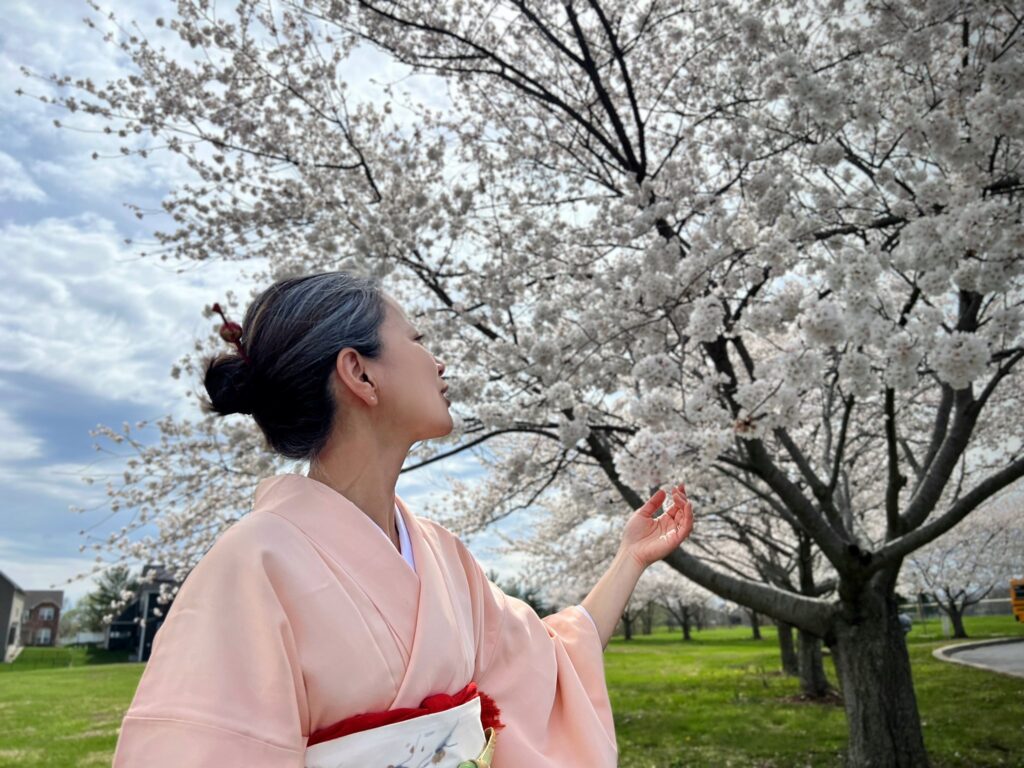
By the way, the kimono worn by the model did not feature cherry blossom patterns. In traditional fashion etiquette, wearing sakura motifs during cherry blossom season is actually considered a bit "tacky" or “too on the nose.”
At JIOSTL, we offer opportunities to learn about the culture and meaning of kimono patterns, how to wear kimono beautifully, and more.
We also host workshops that explore Japanese views on life and death in deeper ways.
If you’re interested, please feel free to reach out via our [Contact] page, or message us on Facebook or Instagram. We’d love to hear from you!
reference and photo credit:https://intojapanwaraku.com/rock/culture-rock/220270/
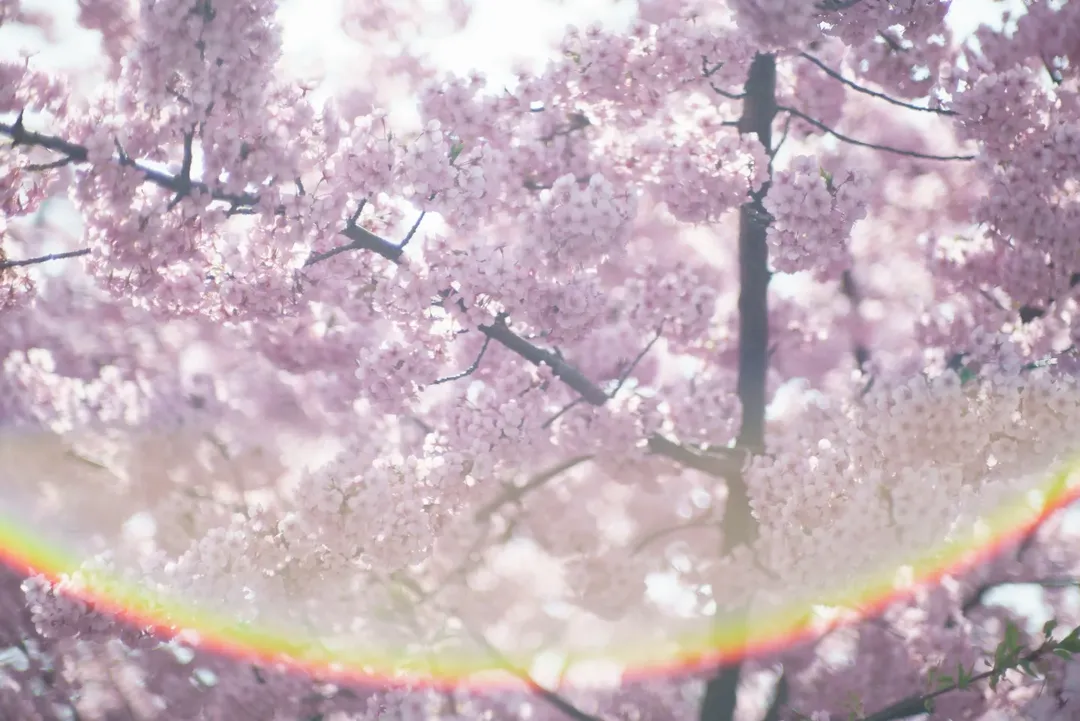
Sakura photo: Kai Masaki & Chiren